







How freight traffic shapes local road safety
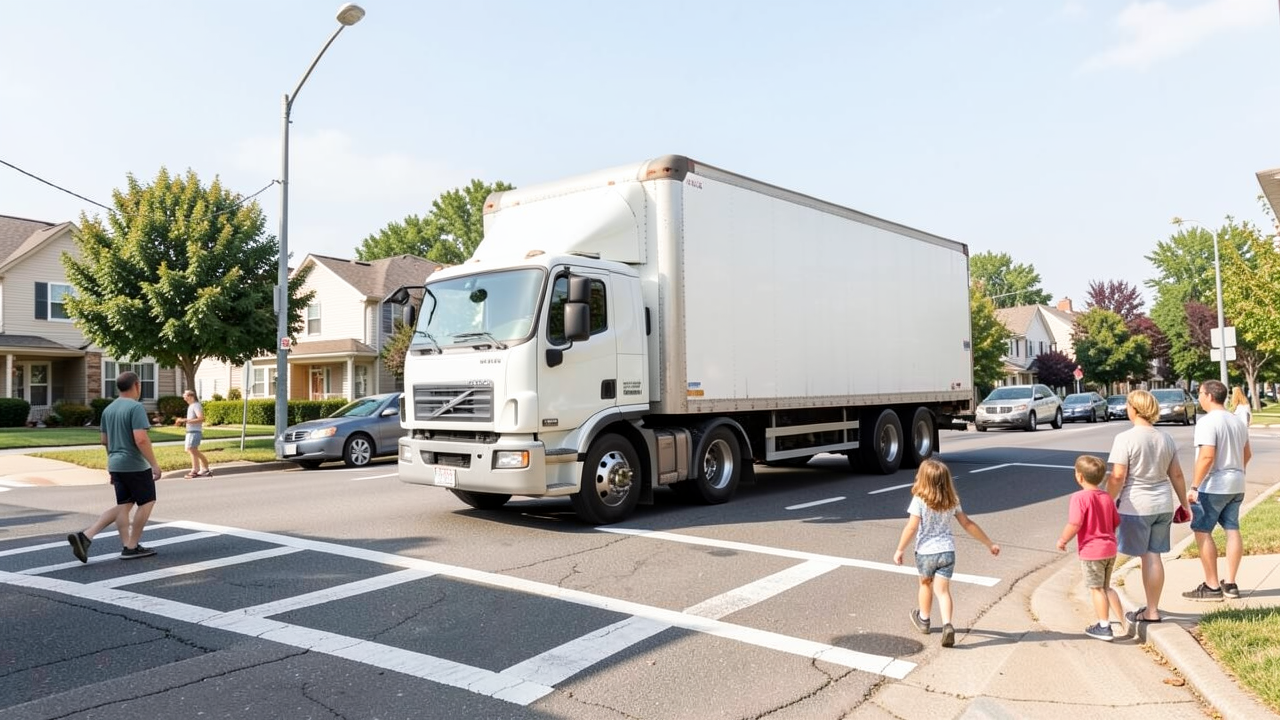
Freight traffic affects far more than delivery schedules and supply chains. On local roads, heavy goods vehicles influence sightlines, braking distances, junction behaviour, pavement wear, noise levels, and the confidence of people walking, cycling, or driving short trips. For communities living near busy routes, the presence of lorries can change how safe a street feels and how safe it actually is.
Understanding this relationship matters because local road safety is not only about collision numbers. It is also about the conditions that make mistakes more likely, the pressure placed on road layouts, and the balance between movement and place. When freight is routed through residential streets, village centres, or corridors with mixed traffic, the risks often spread well beyond the vehicles themselves.
Freight vehicles change the safety profile of a road.
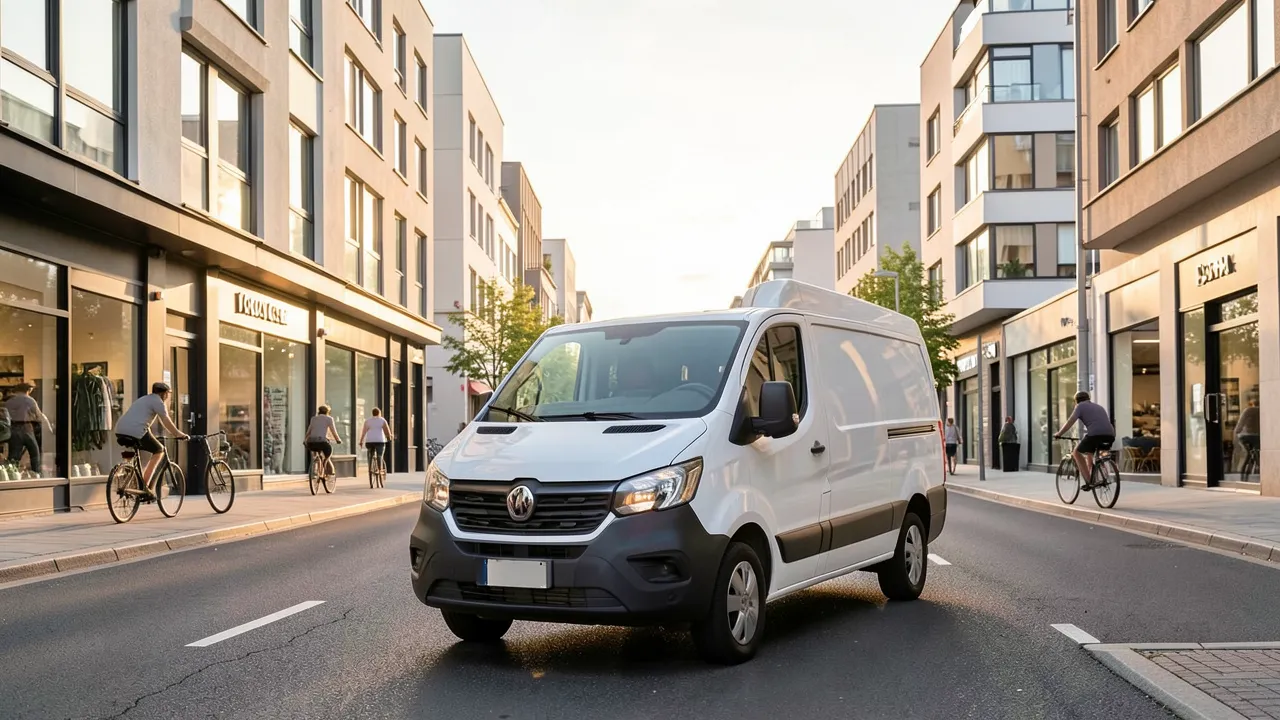
Lorries are larger, heavier, and less forgiving than cars. Their weight increases stopping distances, and their size creates wider turning movements and larger blind spots. On narrow roads, these characteristics can produce conflict at pinch points, bends, and junctions.
Size and mass influence collision severity.
When a freight vehicle is involved in a crash, the outcome is often more serious because of its kinetic energy and height difference relative to smaller vehicles, cyclists, and pedestrians. Even at moderate speeds, the impact forces can be severe. This is one reason road design standards often treat HGVs differently from ordinary traffic.
Freight also affects everyday safety in subtler ways. A driver waiting behind a turning lorry may be tempted to overtake in a risky place. A pedestrian crossing near a junction may be hidden from view. A cyclist may need to move further into the carriageway to avoid being squeezed by passing traffic. These moments are routine, yet they create recurring exposure to danger.
Road geometry can either reduce or amplify the risk.
Safety outcomes depend heavily on whether the road network can accommodate large vehicles without forcing conflict. Sharp bends, tight junction radii, inadequate visibility, and parked cars all make freight movements harder and less predictable.
Where routes pass through settlements, the issue is often not just speed but uncertainty. Drivers may not expect a lorry to turn into a side street; residents may not expect repeated heavy movements at school drop-off time. If you want a broader view of how traffic choices affect local conditions, Sustainable transport options in West Wiltshire offers a useful counterpart to freight-focused planning.
Junctions are often the most vulnerable points.
Intersections concentrate many decisions in a small area. Freight vehicles need more space to complete turns, which can place them across markings, cycle space, or opposing lanes. If visibility is reduced by buildings, vegetation, or street clutter, the risk increases further.
Roundabouts can help in some situations by lowering speeds, but they can also create complications for large vehicles and cyclists if design details are poor. Meanwhile, signalised junctions may reduce conflict at one movement while introducing new pressure at another. The road layout must be judged as a whole, not by one feature alone.
Speed, route choice, and driver expectation matter.
A road can appear safe on paper yet feel hazardous when freight traffic mixes with local journeys. The difference often comes down to how drivers use the route and what other users expect to encounter.
Inappropriate routing can move risk into quiet places.
When heavy vehicles are diverted from strategic roads onto rural lanes or residential streets, the effect is rarely neutral. Smaller roads may lack the width, visibility, and structural strength for regular freight movements. Residents then face not only noise and vibration but also a higher risk of near misses at gateways, schools, footways, and crossings.
This problem is not just theoretical. Traffic reassignment can increase exposure on roads that were never designed for repeated HGV use. That is why corridor planning discussions often connect freight patterns with wider environmental and safety impacts, including the issues discussed in Induced Traffic and Air Pollution on the A36 A350 Corridor.
Predictability can be more valuable than speed.
Drivers, cyclists, and pedestrians respond better when road use feels legible. If a route regularly carries freight, users can adapt. If heavy vehicles appear unexpectedly on routes that seem residential or low-speed, the chance of hesitation, sudden braking, and risky manoeuvres grows.
Freight safety, then, is not only about restricting traffic. It is also about directing it to places where its presence is expected and where design can support it.
Pavement condition and roadside environment also affect safety.
Freight traffic does not only influence moving conflicts. It also changes the physical road environment over time. Repeated axle loads can accelerate pavement failure, and worn surfaces can become hazardous in wet weather or at night.
Surface wear creates secondary hazards.
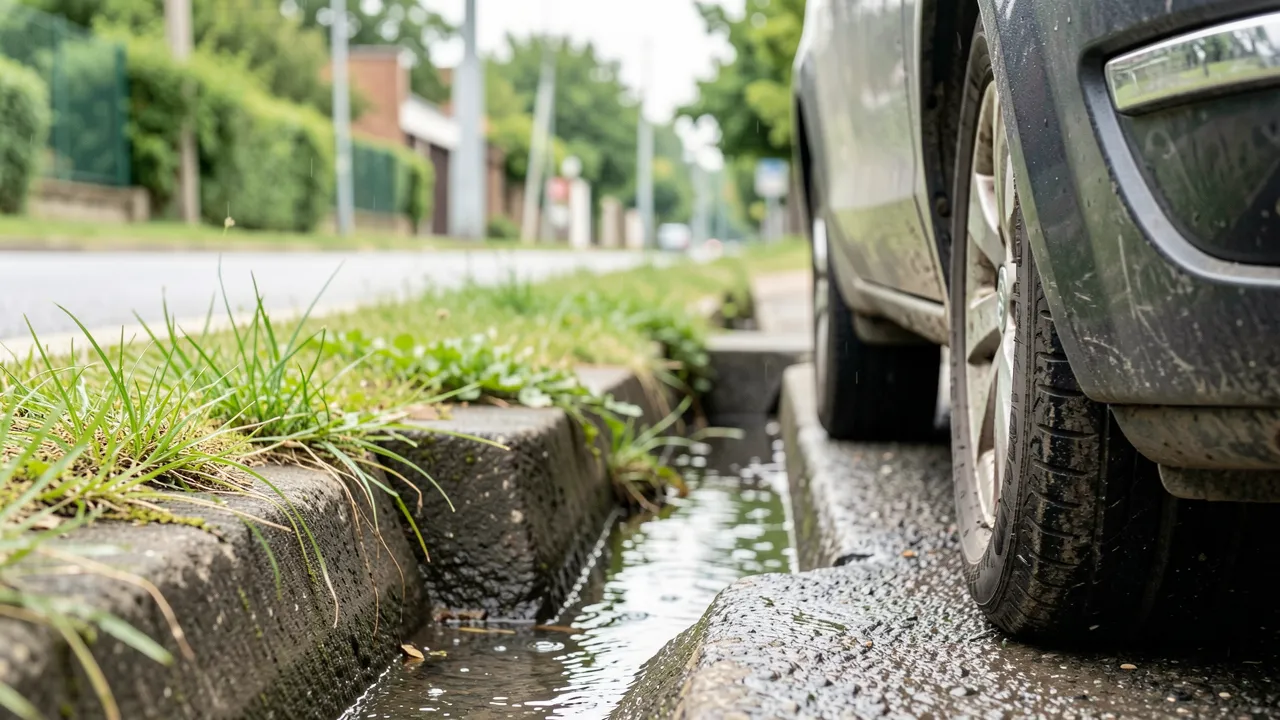
Potholes, rutting, loose debris, and uneven edges are more than maintenance problems. They can throw cyclists off line, cause drivers to swerve, and make crossing points harder for people with mobility impairments. In that sense, freight-related damage can create a chain of safety issues even when no vehicle is present.
Roadside design also matters. Narrow footways, damaged verges, weak signage, and insufficient lighting all become more problematic when large vehicles pass close by. The physical environment should be assessed not only for capacity but for resilience under repeated heavy use.
Community safety depends on planning freight with local life in mind.
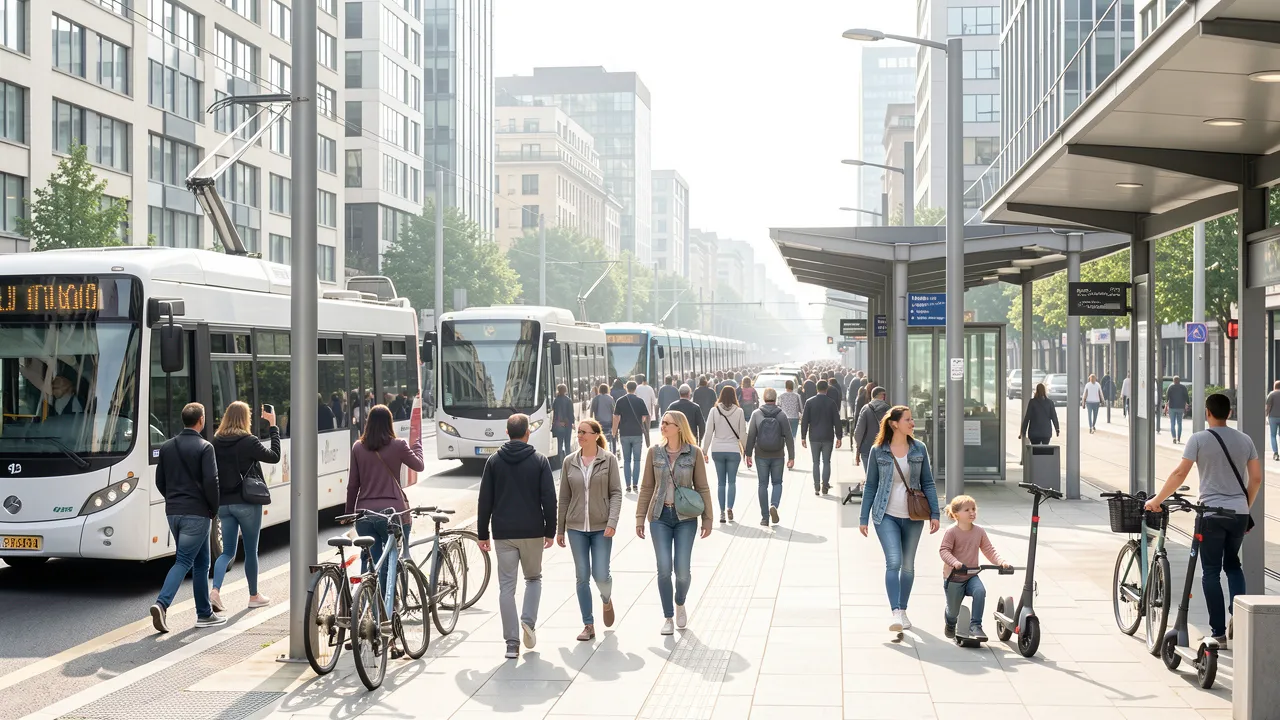
Local road safety improves when freight is treated as part of a larger transport system rather than an isolated logistics issue. That means considering schools, homes, shops, walking routes, and landscape sensitivity alongside journey efficiency.
Strategic decisions shape everyday outcomes.
If heavy traffic is managed well, local streets can remain calmer and more predictable. If it is not, communities experience a steady accumulation of risk: louder roads, more difficult crossings, reduced walking comfort, and a greater chance of severe collisions. Landscape and settlement character can also be affected, as seen in discussions such as Wellhead Valley and Westbury White Horse landscape protection, where transport pressures intersect with place quality.
Freight planning works best when route quality, enforcement, and street design are aligned. A signed restriction without enforcement is weak. A road improvement without attention to local movement patterns may solve one problem while creating another.
What safer freight management usually requires.
A practical approach to local road safety often combines several measures rather than relying on one fix.
- Keep heavy vehicles on roads designed to carry them.
- Reduce conflict at junctions through better geometry and visibility.
- Separate freight movements from schools, homes, and busy walking routes where possible.
- Maintain surfaces and edges so wear does not become a hazard.
- Use clear routing, signs, and enforcement to match driver behaviour with network design.
- Review local evidence regularly, especially where complaints, near misses, or collision trends appear.
Safer roads start with better freight decisions.
Freight traffic is necessary, but its safety impacts are not automatic or unavoidable. With careful routing, thoughtful design, and ongoing maintenance, local roads can support goods movement without exposing communities to unnecessary harm. When planning begins with the people who use the street every day, freight can be accommodated more safely and with fewer side effects for everyone else.