







How electric vans cut urban delivery emissions
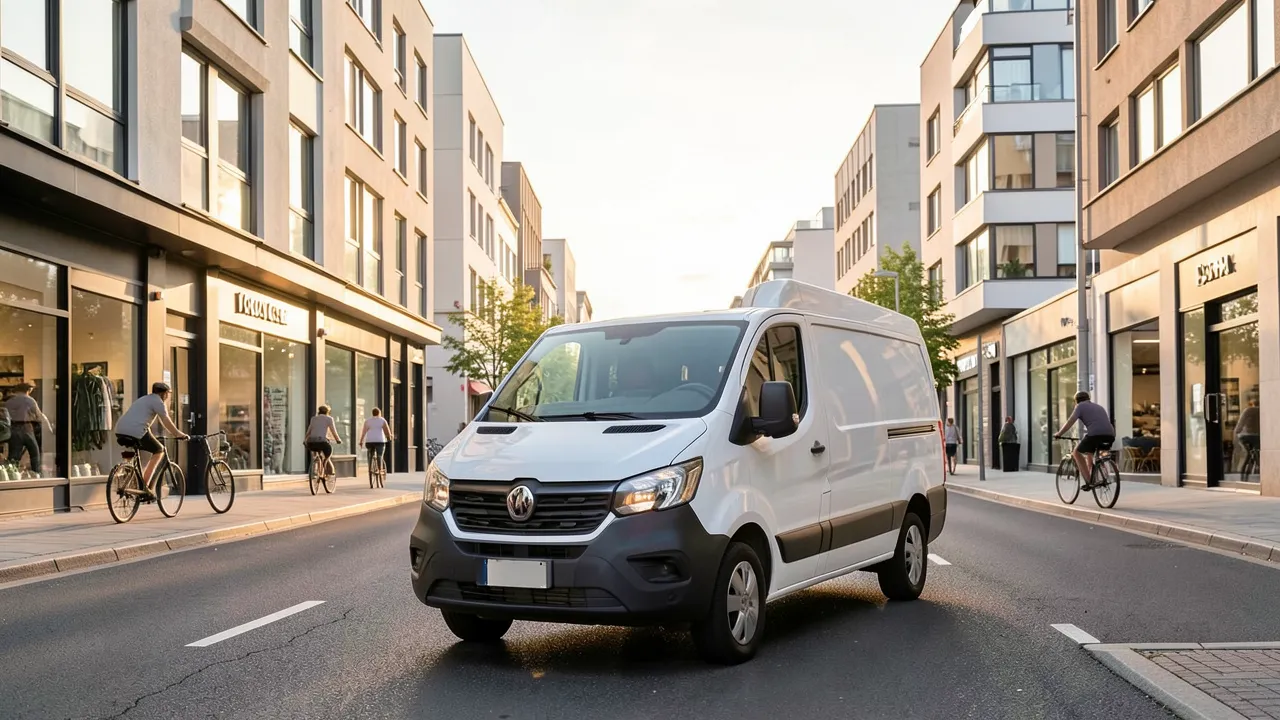
Electric vans are becoming a practical response to one of the most visible sources of urban pollution: delivery traffic. As parcels, groceries, and business supplies move through dense streets every day, the cumulative impact of exhaust fumes, noise, and stop-start traffic becomes harder to ignore. Electric vans offer a cleaner way to handle this essential movement of goods, especially where short routes, frequent braking, and low-speed driving dominate.
Why urban deliveries are a natural fit for electric vans
City delivery work matches the strengths of electric drivetrains. Vans usually return to depots overnight, cover predictable routes, and operate within a limited daily range. That pattern makes charging easier to plan than for many other vehicle types. It also reduces the reliance on petrol or diesel refuelling during the working day.
The emissions benefit begins at the kerb
Unlike combustion vehicles, electric vans produce no tailpipe emissions while driving. That means fewer nitrogen oxides and no direct exhaust particles released into crowded streets where pedestrians, cyclists, and residents are exposed every day. The biggest gain is often local air quality, which can improve even before the wider electricity mix becomes fully decarbonised.
Urban delivery fleets also spend much of their time accelerating, braking, and idling. Those conditions are inefficient for diesel engines, but they suit electric motors well. Regenerative braking recovers some energy, helping vans use power more effectively in stop-and-go traffic.
Quiet streets are part of the environmental gain
Noise is frequently overlooked when emissions are discussed, yet it shapes the experience of city life. Electric vans are generally quieter at low speeds, which can reduce disturbance in residential streets, early-morning delivery windows, and areas near schools or hospitals. Lower noise levels support a more liveable urban environment, especially where transport density is high.
Charging logistics matter as much as vehicle choice
The environmental value of electric vans depends on how they are deployed. If charging is poorly managed, fleets may face operational delays or higher electricity demand at peak times. If it is planned carefully, the system can be efficient and cost-effective.
Depot charging creates a dependable routine
Many delivery operators prefer depot-based charging because vehicles return to a central location each night. This approach simplifies scheduling and allows energy use to be managed more intelligently. It also supports fleet monitoring, battery health checks, and route planning based on real-world range.
Route design can reduce energy use
Electric vans do best when routes are matched to battery capacity, payload, and charging availability. Dense urban rounds often allow for shorter daily distances than intercity logistics, which means fewer charging disruptions. Operators that reorganise delivery zones or sequence drops more efficiently can reduce unnecessary mileage and extend battery life.
For readers interested in how traffic patterns reshape city impacts, the debate around Induced Traffic and Air Pollution on the A36 A350 Corridor shows how extra vehicle movement can magnify environmental harm well beyond a single road.
Electric vans support cleaner streets, but only with wider changes
A fleet switch alone cannot solve urban emissions. Vans are only one part of a larger delivery system that includes warehousing, scheduling, packaging, and customer demand. Still, electrification can be a powerful lever when combined with smarter logistics.
Efficiency gains multiply across the supply chain
Electric vans encourage operators to think more carefully about load factors and delivery density. A van that leaves a depot half empty wastes space, energy, and time. Better routing and consolidation can reduce the number of vehicles needed altogether. This is where emissions cuts become more durable: fewer trips, fewer miles, and fewer delays.
Infrastructure shapes adoption
Reliable charging access remains a deciding factor for many fleets. Urban depots need suitable electrical capacity, planning support, and space for vehicles to charge safely. Public charging can help, but commercial fleets usually benefit most from dedicated infrastructure that fits operational schedules.
Policy also matters. City access rules, low-emission zones, and procurement standards can accelerate adoption by making clean vehicles the practical choice rather than the exceptional one. When businesses know the regulatory direction is clear, investment becomes easier to justify.
Urban freight planning can amplify the benefit
Electric vans work best when they are part of a broader freight strategy that reduces unnecessary road pressure. Delivery timing, loading bay access, and street design all influence emissions. Congestion increases energy use even for electric vehicles, so smoother traffic flow helps as well.
Road safety and delivery patterns are connected
A cleaner fleet is only part of the picture if streets remain unsafe or badly organised. Delivery vehicles often interact closely with pedestrians, cyclists, and parked cars, which makes careful route management and loading design essential. The relationship between heavy vehicle movement and street conditions is also evident in How freight traffic shapes local road safety.
Land use decisions can reinforce or undermine progress
Urban emissions are not shaped by vehicle technology alone. Where warehouses, distribution depots, and service corridors are sited has a major influence on how far vans must travel. Planning choices can either shorten delivery routes or push freight traffic deeper into residential areas. That is one reason landscape and corridor protection remain relevant to transport policy, as seen in Wellhead Valley and Westbury White Horse landscape protection.
What businesses and cities can do next
The shift to electric vans works best when fleet operators, local authorities, and energy providers move together. Businesses can start by mapping routes, measuring mileage, and identifying vehicles that are ideal candidates for replacement. Cities can support that transition through charging access, delivery zone management, and clean procurement rules.
Practical steps that make adoption easier
- Prioritise vans on short, repeatable urban routes.
- Install depot charging that matches overnight vehicle turnover.
- Use telematics to track energy use, load efficiency, and route performance.
- Match vehicle size to delivery needs so capacity is not wasted.
- Coordinate delivery schedules to reduce congestion and idle time.
- Pair fleet electrification with smarter urban freight planning.
Electric vans are not a complete remedy for transport emissions, but they can deliver meaningful gains where they are used most intensively. In compact urban settings, the combination of cleaner air, lower noise, and better operational efficiency makes them one of the most practical tools available for reducing delivery-related pollution.