







How tyre wear drives roadside microplastic pollution
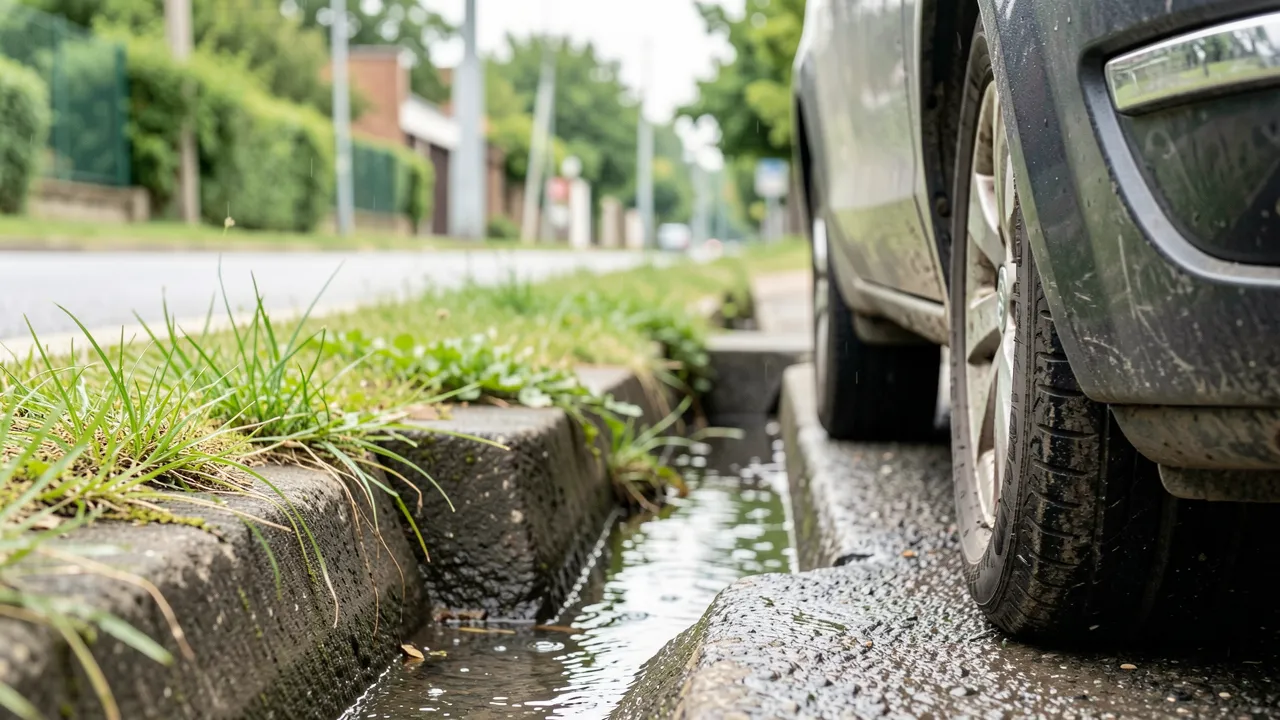
Every journey creates a small but persistent form of pollution: tyre wear. As tyres grip, brake and roll across the road surface, they shed tiny particles made from rubber compounds, synthetic polymers, carbon black, metals and chemical additives. Many of these fragments are small enough to enter roadside soil, drains, streams and eventually larger waterways. For drivers, tyre pollution is largely invisible, yet it is one of the most widespread sources of microplastics linked to road transport.
Tyre wear produces more than visible rubber dust
Tyres do not wear evenly or harmlessly. Friction removes material from the tread whenever you accelerate, turn or brake, while contact with rough road surfaces increases abrasion. The resulting tyre and road wear particles contain both tyre material and mineral dust from asphalt.
A substantial share of these particles settles near the carriageway. Rain can then wash them into gullies, drainage channels and nearby verges. On rural roads, runoff may reach ditches, ponds and rivers directly. In urban areas, drainage systems can carry contaminated water over longer distances before it is treated, discharged or released during periods of heavy rainfall.
The quantity released depends on several factors:
- Vehicle weight and load
- Tyre pressure and wheel alignment
- Driving speed and braking intensity
- Road surface texture
- Weather conditions and rainfall patterns
- The number of vehicles using a route
Heavier vehicles generally generate more tyre wear because of the force placed on each contact patch. This creates a transport challenge: reducing exhaust emissions does not automatically remove all vehicle-related pollution.
Road design can influence where particles accumulate
The location of a road determines where tyre particles travel after they are released. Roads close to watercourses, nature reserves, agricultural land or residential drainage networks need particular attention. Roadside vegetation can capture some particles, but saturated soil or intense rainfall can still move contamination onward.
Planning disputes and route choices can therefore have environmental consequences that go beyond congestion and travel times. The A350 Westbury Bypass inquiry decision and its lasting impact provides useful context on how major road proposals can affect communities, landscapes and the corridors through which pollution moves.
Drainage design can reduce the amount of contaminated runoff entering local water systems. Swales, retention basins, filter strips and planted drainage features can slow water and trap sediment. These measures need regular maintenance, because accumulated material may otherwise be disturbed during later storms.
Road authorities can also assess whether high-traffic routes pass through sensitive catchments. A small stream may look remote, but it can connect to larger rivers and support insects, fish, birds and amphibians that are affected by changes in sediment and water quality.
Freight traffic increases pressure on local roads
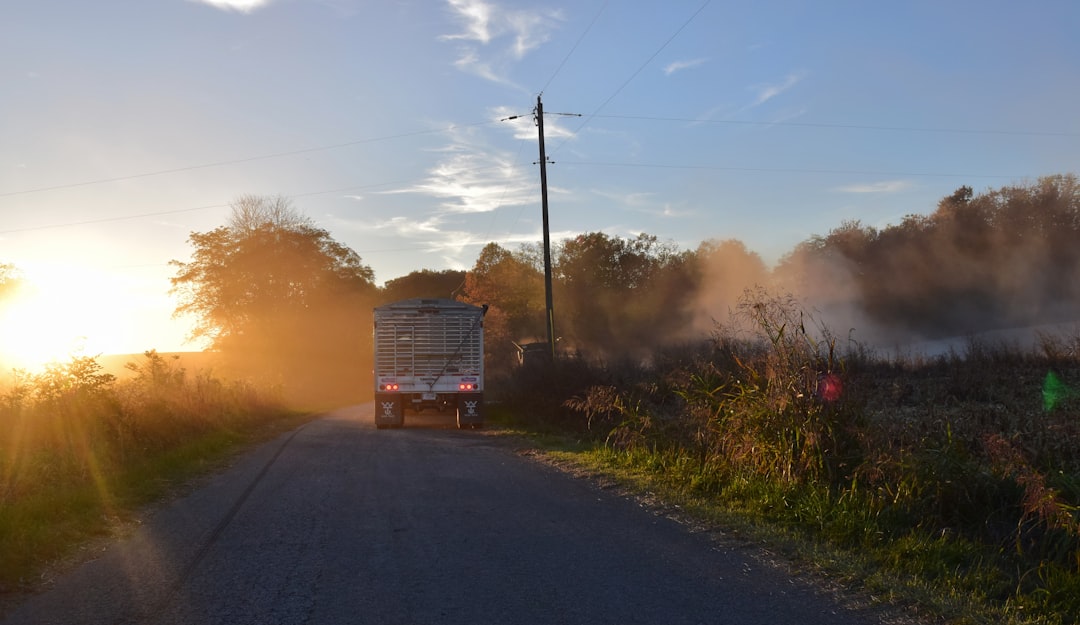
Lorries, delivery fleets and other commercial vehicles are indispensable to everyday supply chains, but their weight can accelerate road and tyre wear. Frequent braking at junctions, roundabouts, depot entrances and town-centre delivery points can create local hotspots for particle release.
The relationship between heavy vehicle movements and the road environment is considered in How freight traffic shapes local road safety. Safety measures such as smoother traffic flow, better junction layouts and lower-speed zones may also reduce harsh braking and rapid acceleration, which can lower unnecessary tyre abrasion.
Fleet operators can make practical improvements through regular tyre checks. Correct tyre pressure reduces uneven wear, supports fuel efficiency and helps maintain predictable handling. Misaligned wheels can wear a tyre rapidly along one edge, releasing material sooner than expected and increasing replacement costs.
Route planning also matters. Avoiding repeated stop-start conditions where possible, consolidating deliveries and selecting vehicles suited to their loads can reduce the friction created across a fleet's total mileage. These changes will not eliminate tyre particles, but they can reduce the volume released per delivery.
Electric vehicles still need low-wear tyre strategies
Electric vans and cars remove tailpipe emissions during use, which brings clear air-quality benefits. However, their batteries can increase vehicle weight, and their instant torque can raise tyre wear if drivers accelerate aggressively. Regenerative braking may reduce use of conventional brakes, but it does not prevent tread loss.
For urban operators, How electric vans cut urban delivery emissions discusses the broader benefits of replacing combustion-engine delivery vehicles. The most effective environmental approach considers both exhaust emissions and non-exhaust pollution, including particles from tyres, brakes and road surfaces.
Drivers can reduce wear in electric and conventional vehicles by accelerating progressively, anticipating traffic and avoiding sharp cornering. Choosing tyres designed for the vehicle's load rating and usage pattern also helps. A tyre intended for a lightweight car may not perform well on a loaded electric van, especially on routes with frequent kerbs, turns and stops.
Manufacturers have a role as well. Tyre compounds need grip, durability, efficiency and safety in wet conditions. Better testing for particle emissions could encourage designs that retain these safety properties while shedding less material over their service life.
Landscape protection requires cleaner runoff management
Roadside microplastic pollution is not only an urban issue. Scenic and rural landscapes may be especially exposed where roads cross slopes, valleys and headwaters. Rainwater running from a hill road can transport fine particles into fields and streams before any filtering takes place.
The need to consider transport impacts alongside local heritage and habitat protection is reflected in Wellhead Valley and Westbury White Horse landscape protection. Sensitive landscapes benefit from drainage systems that retain sediment close to its source rather than allowing it to move through the wider catchment.
You can help reduce roadside microplastic pollution through a combination of driving habits and maintenance choices:
- Keep tyres inflated to the vehicle manufacturer's recommended pressure.
- Check tread wear and wheel alignment at regular service intervals.
- Drive smoothly, with gradual acceleration and earlier braking.
- Avoid carrying unnecessary weight in the vehicle.
- Choose durable, appropriately rated tyres rather than selecting solely by purchase price.
- Support road schemes that include effective drainage, filtration and landscape-sensitive design.
Reducing tyre wear can protect local waterways
Tyre particles are a consequence of road travel that cannot yet be fully avoided, but their release can be reduced. Well-maintained tyres, calmer driving, lighter vehicle loads and better roadside drainage all limit the amount of material reaching soil and water. For transport planners, fleet managers and individual drivers alike, cleaner mobility means looking beyond the exhaust pipe and considering what happens where tyres meet the road.