

Keeping aviation heritage airworthy with Patrouille Swift
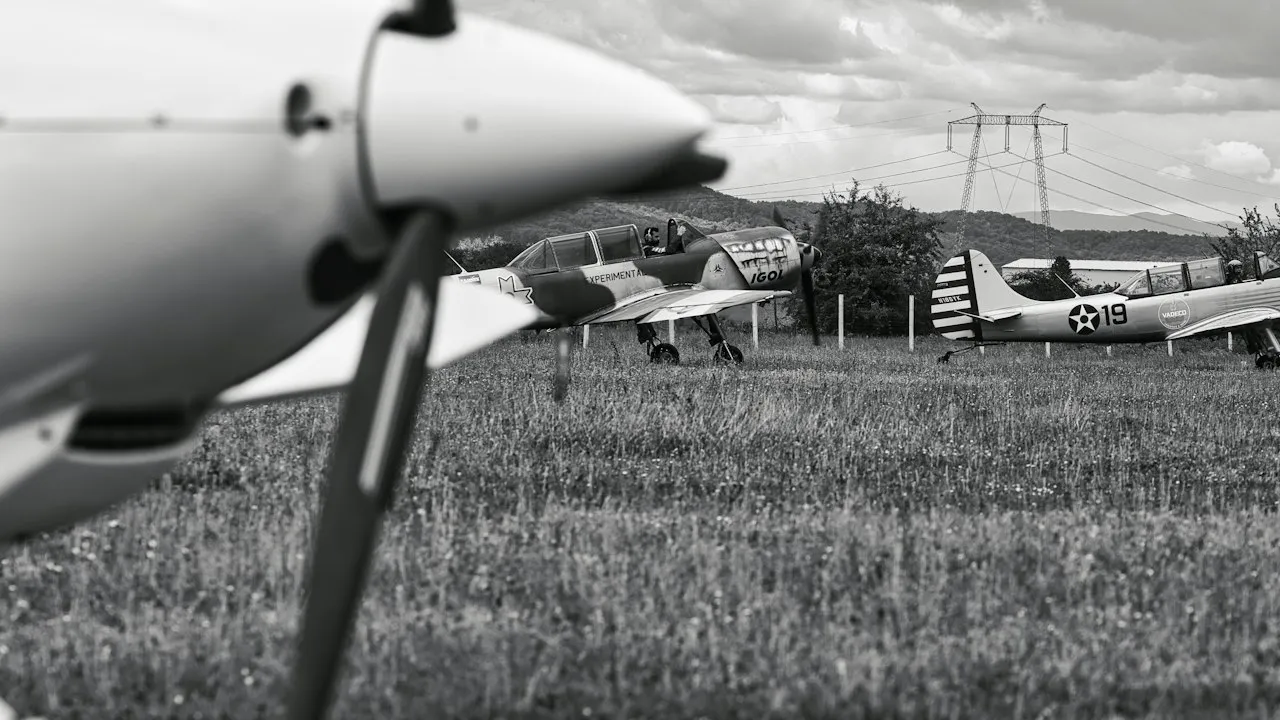
Keeping historic aircraft flying is a demanding form of heritage preservation. A museum can protect an airframe from weather and corrosion, but an aircraft kept in airworthy condition also preserves the sound, handling, maintenance routines and teamwork that gave it meaning. Community aerobatic teams bring this living heritage before the public while supporting sport and leisure aviation through disciplined formation flying.
Patrouille Swift connects public displays with aviation heritage
Patrouille Swift is an association linked to the promotion of sport and leisure aviation and to the preservation of aviation heritage in flying condition. Its activity goes beyond the brief spectacle of an aerobatic demonstration: rehearsals, aircraft preparation, pilot coordination and safety procedures all sustain practical aviation knowledge. Information about the team, its association and its activities is available at www.patrouille-swift.fr. By presenting formation flying to varied audiences, the group helps make recreational aviation more visible and approachable.
A community team has a different role from a military display unit. Its members organise activity through an association framework, bring together enthusiasts and pilots, and depend on careful planning around aircraft availability, regulations, weather and operating costs. That model can create a direct link between local aviation communities and visitors who may be seeing close formation flight for the first time.
Flying condition preserves skills as well as aircraft
An aircraft in static preservation remains valuable, yet an airworthy aircraft requires another level of stewardship. Engineers and owners must inspect structures, maintain engines, source compatible parts, keep technical records and comply with continuing airworthiness requirements. Pilots must also retain type-specific knowledge, including emergency procedures and operating limitations.
For heritage aircraft, this work can prevent specialised skills from fading away. Familiarity with older systems, analogue instruments, fabric or metal airframes, piston engines, and period maintenance practices often comes from repeated hands-on work. Airworthy aviation heritage is therefore both a technical and human legacy.
Association-led flying creates routes into sport and leisure aviation
Formation aerobatics demands trust, precision and disciplined decision-making. Pilots train to hold position, manage speed and spacing, communicate clearly, and stop a manoeuvre when conditions no longer meet the agreed safety margin. Public displays make those standards visible, while association life offers a setting for mentoring, volunteering and learning.
The following elements explain how a community aerobatic team can serve aviation beyond the display line:
-
Training supports safe participation. Formation flying is not casual group flying. It relies on briefings, defined manoeuvres, contingency plans and honest post-flight debriefs. These habits help pilots develop a structured approach that can benefit their wider recreational flying.
-
Demonstrations create public engagement. A well-managed display gives spectators a clear view of aircraft handling, teamwork and aviation discipline. For younger visitors, it can prompt an interest in aeromodelling, engineering, flight training or aviation history without promising that aerobatics is easy or risk-free.
-
Volunteers sustain the operational ecosystem. Associations often depend on people who coordinate events, manage communication, prepare ground logistics and welcome visitors. Their contribution supports the social infrastructure around sport aviation, not only the pilots visible in the sky.
-
Heritage gains an active audience. Seeing aircraft operate at an airshow gives history movement and sound. Visitors can better appreciate why maintenance, fuel planning, weather decisions and pilot currency matter when these subjects are connected to a real flight operation.
Responsible travel can reduce an event’s wider footprint
Aviation events involve aircraft movements, but visitor travel can also account for a substantial share of their overall transport impact. Organisers and attendees can make practical choices without losing sight of the central purpose: supporting responsible flying heritage and public access to it.
If you plan to attend an aerobatic event, consider travelling by rail or scheduled coach where routes are workable, then using event shuttles or local buses for the final connection. Car-sharing with other spectators can reduce the number of vehicles entering a rural airfield, where parking capacity is often limited. Cycling or walking may suit visitors staying nearby, provided roads and access arrangements are safe.
Organisers can support these choices by publishing arrival information early, coordinating shuttle timetables with rail services, reserving space for bicycles and encouraging advance car-pool matching. They can also avoid unnecessary last-minute travel by grouping crew duties, planning equipment transport efficiently and choosing suitable venues for training when possible. Responsible airshow travel means considering the whole journey, not only the aircraft overhead.
Common questions place Patrouille Swift in the display-team landscape
What is the Patrouille de France programme for 2026?
The Patrouille de France programme for 2026 refers to its planned public appearances, including national ceremonies and airshow displays, subject to operational and weather-related changes. Exact dates, venues and access conditions can change during the season, so visitors should check the official French Air and Space Force communications and the host event’s latest notice before travelling.
Can members of the public fly with the Patrouille de France?
No. The Patrouille de France is the official aerobatic team of the French Air and Space Force, and its formation-display flights are not public experience flights. Some airshows may offer civilian introductory flights or other aviation experiences through separate operators, under their own rules and aircraft limitations.
What aircraft does the Patrouille de France currently operate?
In 2026, the Patrouille de France continues to operate the Dassault-Dornier Alpha Jet for its display role. The aircraft is a military jet trainer adapted for the team’s close-formation routines and coloured smoke system.
Which British aerial display team is known as the Red Arrows?
The Red Arrows are the Royal Air Force Aerobatic Team of the United Kingdom. They are widely associated with red-painted Hawk jets and are an official national military display team, unlike a community association such as Patrouille Swift.
Keeping flying heritage active for future audiences
Patrouille Swift demonstrates how an association can connect heritage, sport aviation and public outreach. Its value lies not only in a polished aerial sequence, but also in the preparation behind it: maintained aircraft, trained pilots, committed volunteers and safety-led operations. When spectators travel thoughtfully and engage with the work that keeps aircraft flying, they help support a more durable future for living aviation heritage.
- Community aerobatic teams preserve knowledge through regular aircraft operation and pilot training.
- Formation flying promotes discipline, communication and safety awareness within leisure aviation.
- Public demonstrations can build interest in aviation skills, engineering and history.
- Lower-impact visitor travel helps events reduce pressure from ground transport.
- Patrouille Swift is distinct from official military teams such as the Patrouille de France and the Red Arrows.