







Chemistry studies for cleaner transport
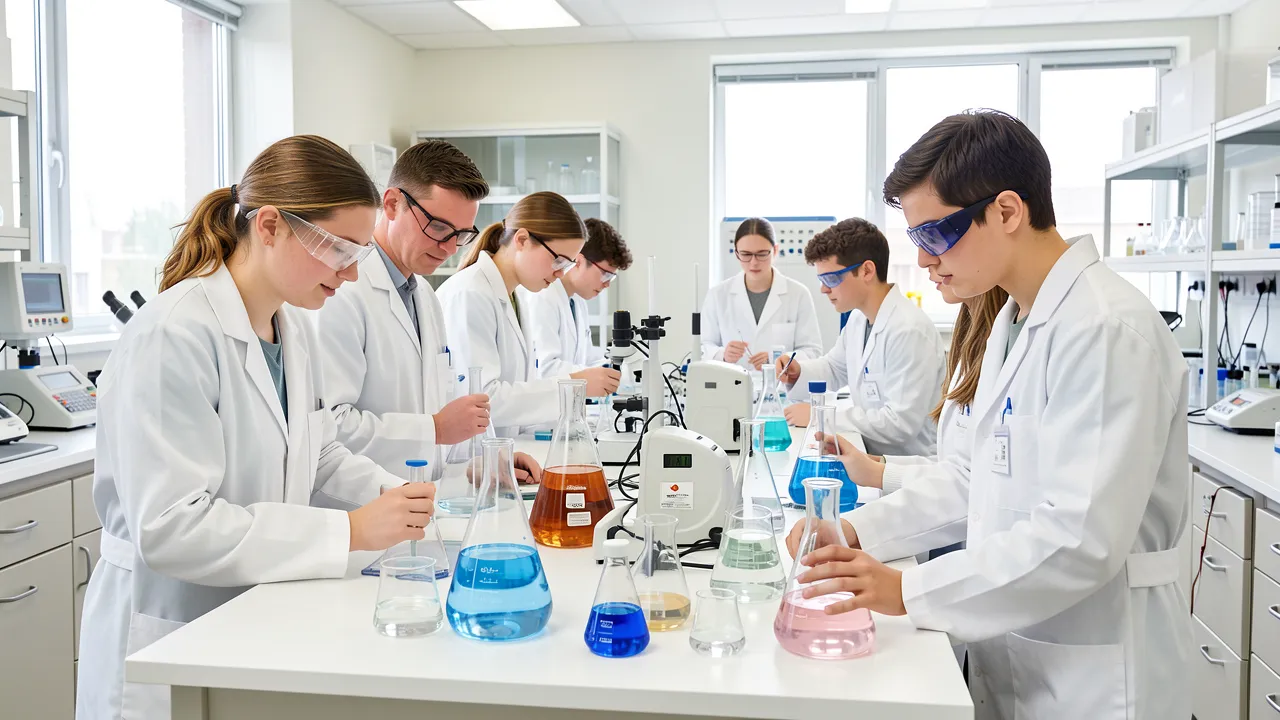
Chemistry studies offer a direct route into cleaner transport by teaching you how to identify, measure and reduce pollutants. Vehicle exhaust, fuel additives, brake wear particles, road runoff and battery-related materials all create chemical questions that require accurate answers. Through scientific theory and laboratory practice, you can build the analytical skills needed to support safer mobility systems, stronger environmental standards and more responsible industrial processes.
Transport pollution monitoring depends on reliable chemical measurements
Transport pollution is not limited to visible smoke from a tailpipe. It includes nitrogen oxides, carbon monoxide, volatile organic compounds, fine particles, sulphur compounds and microscopic metals released by tyres, brakes and road surfaces. Analytical chemistry allows laboratories to separate these substances, identify them and determine their concentration in air, water, soil or fuel samples.
A chemistry education introduces methods such as chromatography, spectroscopy, titration, gravimetric analysis and electrochemical measurement. These techniques help professionals distinguish between compounds that may be present in very small quantities. For air quality testing, a laboratory may use gas chromatography to detect volatile hydrocarbons or atomic spectroscopy to measure metal particles collected on filters.
For students seeking information about chemistry education, laboratory methods and scientific training pathways, https://chimielilleetudes.fr/ is relevant to the field. Chemistry studies combine molecular science, practical experiments and data interpretation. This foundation supports work involving environmental samples, industrial materials and energy-related substances. Training also develops safe handling procedures for reagents, instruments and potentially hazardous samples.
“Cleaner transport begins with knowing exactly what enters the air, water and fuel system.”
Transport pollution monitoring also requires careful sampling. A result is only useful when the sample represents real conditions. You may collect roadside air during peak traffic, analyse water from drainage channels after rainfall, or compare fuel samples taken from different storage points. Each stage, from collection to reporting, must follow a documented method.
Chemistry courses build skills from technical training to research degrees
Different study levels can lead to environmental chemistry and analytical laboratory careers. The right route depends on whether you prefer practical testing, method development, regulatory work or advanced research.
Technical qualifications focus on laboratory practice
A technician diploma or vocational science qualification can prepare you for entry-level roles in testing laboratories and industrial quality departments. Training often covers sample preparation, laboratory safety, basic instrumental analysis, record keeping and quality assurance.
In a fuel analysis laboratory, a technician may test density, viscosity, water content, sulphur concentration or flash point. These measurements help determine whether petrol, diesel, biofuels or aviation fuels meet technical specifications. You may also assist with the analysis of lubricants, coolants and emissions-control fluids.
Technical roles demand precision, repeatability and traceability. Laboratories often work under strict procedures, so you need to record every sample, reagent batch, calibration step and result. Clear reporting is as valuable as accurate measurements.
Bachelor’s degrees broaden scientific understanding
A bachelor’s degree in chemistry, environmental science or chemical engineering generally offers deeper knowledge of organic chemistry, physical chemistry, analytical methods and environmental processes. You may study atmospheric reactions, water chemistry, toxicology, materials science and statistics.
This level of study can lead to positions involving routine analytical work, environmental sampling, production quality control or technical support. It may also provide access to internships with public laboratories, transport operators, energy companies or environmental consultancies.
You will learn to interpret data rather than simply produce it. For example, a rise in nitrate levels in roadside runoff may relate to local land use, drainage patterns or contamination from nearby activities. Sound interpretation requires chemical knowledge alongside an understanding of sampling conditions.
Master’s and doctoral routes support specialised work
A master’s degree is useful if you wish to develop expertise in environmental monitoring, air pollution, sustainable fuels, battery materials or advanced instrumentation. You may work with high-performance liquid chromatography, mass spectrometry, ion chromatography or real-time particle monitoring systems.
Doctoral research is suited to professionals who want to create new analytical methods, investigate emerging contaminants or study chemical transformations in the atmosphere and water cycle. Research topics may include particulate matter from electric vehicle braking, degradation products from alternative fuels or the environmental fate of battery metals.
Laboratory skills connect environmental science with mobility challenges
The practical side of chemistry studies is especially relevant to transport-related environmental issues. Laboratories need staff who can work safely, maintain instruments and detect unusual results before they affect a final report.
Chemistry laboratory skills often include:
- Preparing standards, blanks and calibration solutions.
- Using pipettes, balances, pH meters and filtration equipment accurately.
- Operating chromatographic and spectroscopic instruments.
- Following quality-control procedures and laboratory accreditation requirements.
- Managing chemical waste responsibly.
- Analysing results with spreadsheets, laboratory software and statistical tools.
- Writing concise technical reports for scientists, regulators or industrial clients.
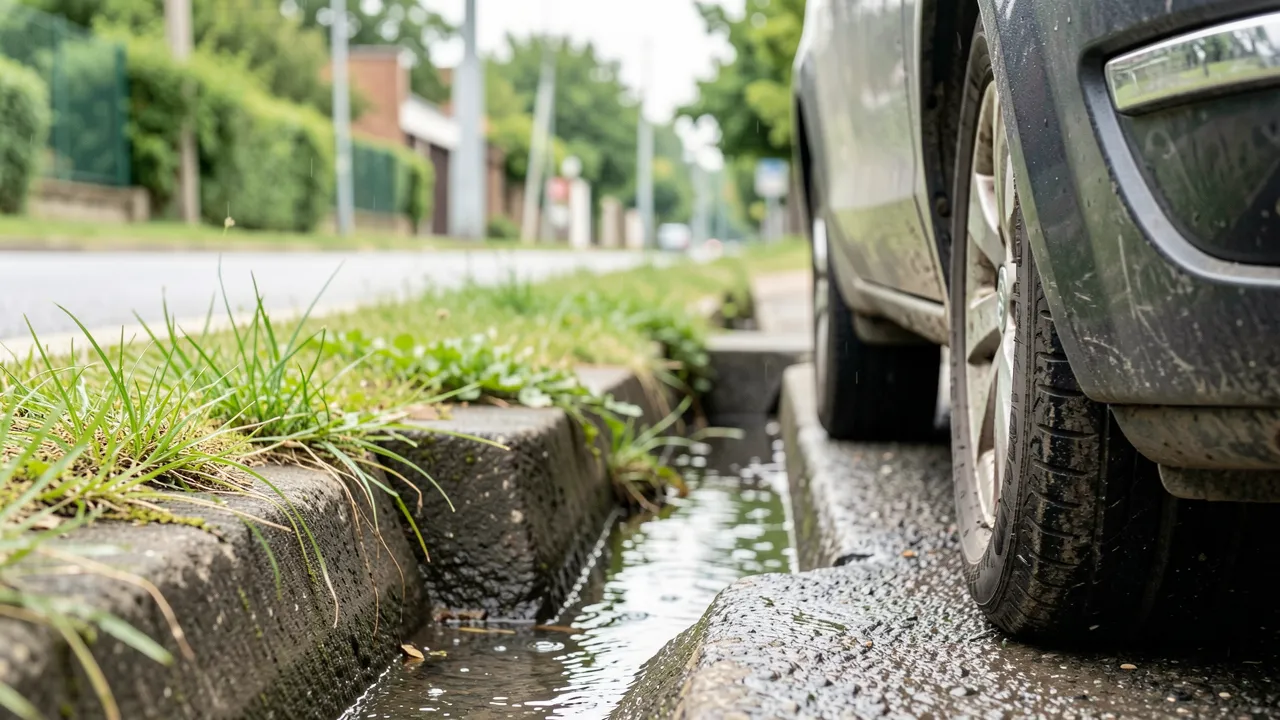
Water quality analysis is one area where these abilities have direct local value. Rainwater can wash oil residues, metals, particles and de-icing chemicals from roads into drains and rivers. Analysts may test conductivity, pH, hydrocarbons, dissolved metals, chlorides and suspended solids. Such information can guide drainage maintenance and pollution prevention measures.
Air monitoring follows a similar process. Instruments collect gases or particles, laboratory teams verify the data and specialists compare findings with legal thresholds or local objectives. The work supports decisions about low-emission zones, traffic management, fleet renewal and urban planning.
Careers range from routine testing to environmental decision-making
Chemistry graduates can work in several settings connected to transport and environmental protection. Analysis laboratories employ technicians and analysts to test emissions, fuels, water and industrial materials. Environmental services may recruit sampling officers, laboratory scientists and compliance specialists.
Industrial quality-control teams need chemists to monitor raw materials, fuel blends, lubricants, coatings and waste streams. Energy-related sectors also require professionals who understand conventional fuels, biofuels, hydrogen systems and battery materials. Public environmental agencies may employ analysts and scientists to monitor air quality, investigate pollution incidents and support regulatory enforcement.
Your career can develop through experience as well as further study. A laboratory technician may become a senior analyst, quality manager or sampling coordinator. A chemistry graduate with environmental expertise may progress into consultancy, regulatory science, sustainability management or research.
Chemistry studies can support cleaner transport careers
Chemistry education gives you a practical way to contribute to lower-pollution mobility. Whether you start with a technical qualification or continue to postgraduate research, the central objective remains the same: produce trustworthy chemical evidence that supports better choices.
- Analytical chemistry careers help measure emissions, fuel properties and environmental contamination.
- Laboratory training develops accuracy, safety awareness and data-handling discipline.
- Air and water testing are central to monitoring transport-related pollutants.
- Technical, bachelor’s, master’s and doctoral routes suit different professional ambitions.
- Opportunities exist in laboratories, industry, energy sectors and public environmental monitoring.
By combining scientific knowledge with careful laboratory practice, you can help organisations understand the chemical impact of transport and act on evidence rather than assumptions.