








Choosing a reliable used city car for lower-impact urban travel
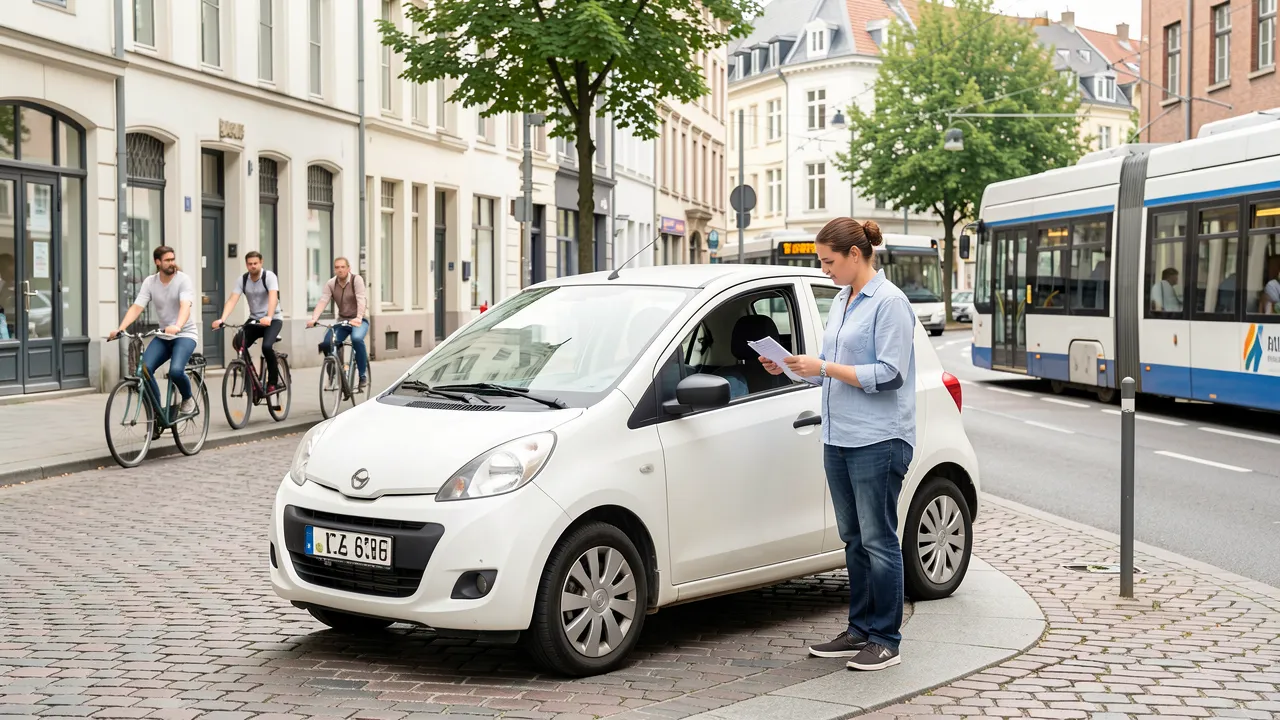
A reliable used city car can offer a practical fallback when walking, cycling, public transport or car-sharing do not fit a particular journey. For school runs, shift work, grocery trips or visits beyond frequent transit routes, a modest second-hand vehicle may reduce daily friction without encouraging unnecessary driving. The best choice balances purchase price, mechanical condition, fuel use and access to local low-emission zones.
Start with the journeys you actually make
Before comparing models, map your typical week. Note daily mileage, parking conditions, motorway use, passenger numbers and the distance to shops, work or charging points. A car used for two-mile urban trips has different needs from one covering 30 miles a day across a metropolitan area.
Small hatchbacks are often well suited to dense streets because they are easier to park, lighter on fuel and usually cheaper to insure than larger vehicles. A five-door layout can be more practical than a three-door version if you regularly carry children, older passengers or bulky shopping. Boot capacity, rear-seat access and turning circle deserve attention alongside headline economy figures.
For a buyer with a budget below €10,000, age alone should not decide the purchase. A well-maintained car registered six or eight years ago can be a safer prospect than a newer example with missed servicing, high urban wear or unresolved warning lights. Focus on condition, maintenance history and realistic running costs rather than chasing the newest registration plate.
Use reliable buying guidance before narrowing your shortlist
Finding an affordable used car requires more than filtering adverts by price and mileage. Practical advice from https://www.chnayti-cars.fr/ can help buyers weigh service records, mechanical checks and vehicle condition within a limited budget. Around €10,000 commonly opens access to cars first registered roughly three to several years earlier, depending on the model, mileage and local market. At that price point, a complete service file and careful inspection generally matter more than optional equipment or cosmetic upgrades.
Create a shortlist of models with a strong record for reliability, readily available parts and local independent-garage support. Common city-car choices may include the Toyota Yaris, Honda Jazz, Suzuki Swift, Hyundai i10, Kia Picanto, Skoda Citigo, Volkswagen up! and Renault Clio, although the right model depends on the individual vehicle’s upkeep.
Avoid assuming that a popular model is automatically a safe purchase. Engines, gearboxes and emissions systems can vary by year and fuel type. Check owner forums, recall databases and model-specific reliability reports for known issues before arranging a viewing.
Check the paperwork before you inspect the bodywork
A full used car service history should contain dated invoices or stamped records, mileage entries and details of work completed. Look for regular oil changes, brake servicing, tyre replacements and scheduled timing-belt or timing-chain checks. If the car has a timing belt, confirm when it was last replaced and when the manufacturer requires the next change.
Also verify the vehicle identification number, registration document, MOT or roadworthiness history, number of previous owners and outstanding finance status where relevant. Gaps in records are not always a reason to walk away, but they should lower the price or prompt further investigation.
Inspect the car methodically before agreeing a price
Bring a checklist and inspect the car in daylight, preferably when the engine is cold. A seller who has warmed the engine before your arrival may have a reasonable explanation, but a cold start makes rattles, smoke and uneven idling easier to detect.
Look around the car for inconsistent paint shades, uneven panel gaps, corrosion beneath doors and signs of water ingress in the boot or footwells. Test every electric window, light, air-conditioning control, central-locking function and infotainment feature. In a city car, worn clutches, brakes and steering components are particularly common because repeated stopping and parking place them under regular stress.
During the test drive, check whether the clutch bites smoothly, the gearbox selects gears cleanly and the steering remains straight on a level road. Listen for suspension knocks over speed bumps and test the brakes progressively in a safe place. Any engine-management, airbag, ABS or tyre-pressure warning light needs a clear explanation and, ideally, documentary evidence of repair.
For an unfamiliar seller or a higher-value purchase, pay for an independent pre-purchase inspection. This modest cost can reveal leaks, accident damage, battery weakness or upcoming maintenance that is difficult to spot during a short drive.
Choose fuel and emissions rules with urban access in mind
Low-emission zones can shape the value and usefulness of a second-hand car. Before buying, check the emissions standard required in the areas you enter most often, including neighbouring towns, workplace districts and airport routes. A cheap older diesel may become expensive if it faces access charges or restrictions.
For mostly short urban trips, a modern petrol car is often simpler than a diesel. Diesel engines tend to suit longer journeys that allow their emissions-control systems to reach operating temperature. Repeated short runs can create issues with particulate filters and associated components.
Hybrid city cars can reduce fuel use in stop-start traffic, while full electric cars remove tailpipe emissions locally. Yet battery condition, home or workplace charging, public charging availability and purchase cost all require careful assessment. A conventional petrol car with modest consumption may remain the most sensible option for occasional use and a restricted budget.
Budget beyond the advertised price
Your city car running costs include insurance, road tax, fuel or electricity, tyres, servicing, parking and likely repairs. Set aside a contingency fund after purchase, particularly for a car approaching major scheduled work such as a timing-belt replacement, new tyres or brake discs.
A lower purchase price can conceal higher annual costs. Compare insurance quotes using the exact registration number where possible, and calculate fuel spending from your real mileage rather than laboratory consumption figures. Frequent urban driving usually produces higher consumption than a mixed-route figure suggests.
A careful selection supports lower-impact urban mobility
A used city car is not automatically the lowest-impact transport choice. For short, easy journeys, walking, cycling and public transport can use less energy and reduce congestion. But when a car is genuinely needed, selecting a compact, durable and efficient vehicle can limit its financial and environmental burden.
Keep mileage purposeful, combine errands, maintain correct tyre pressures and service the vehicle on schedule. These habits reduce fuel consumption, extend component life and help preserve resale value.
Key points to retain:
- Match the car’s size, fuel type and equipment to your actual weekly journeys.
- Prioritise documented servicing over low mileage alone.
- Check low-emission-zone rules before choosing petrol, diesel, hybrid or electric.
- Inspect the car cold, test-drive it carefully and consider an independent inspection.
- Keep a repair reserve alongside the purchase budget.
Frequently asked questions
What is the best used car under €10,000 for city driving?
The best choice is usually a well-maintained small hatchback with a documented service history, affordable parts and emissions compliance for your local area. Compare individual condition before choosing by badge or age.
Is a diesel city car suitable for short urban journeys?
Usually, no. Regular short trips can be poorly suited to diesel emissions systems, especially on older vehicles. A petrol, hybrid or electric option may better match stop-start urban use.
How much should you reserve for repairs after buying?
A reserve of several hundred euros is sensible, and more may be needed for older cars or vehicles nearing scheduled maintenance. Check tyres, brakes, battery age and timing-belt requirements before setting your final budget.