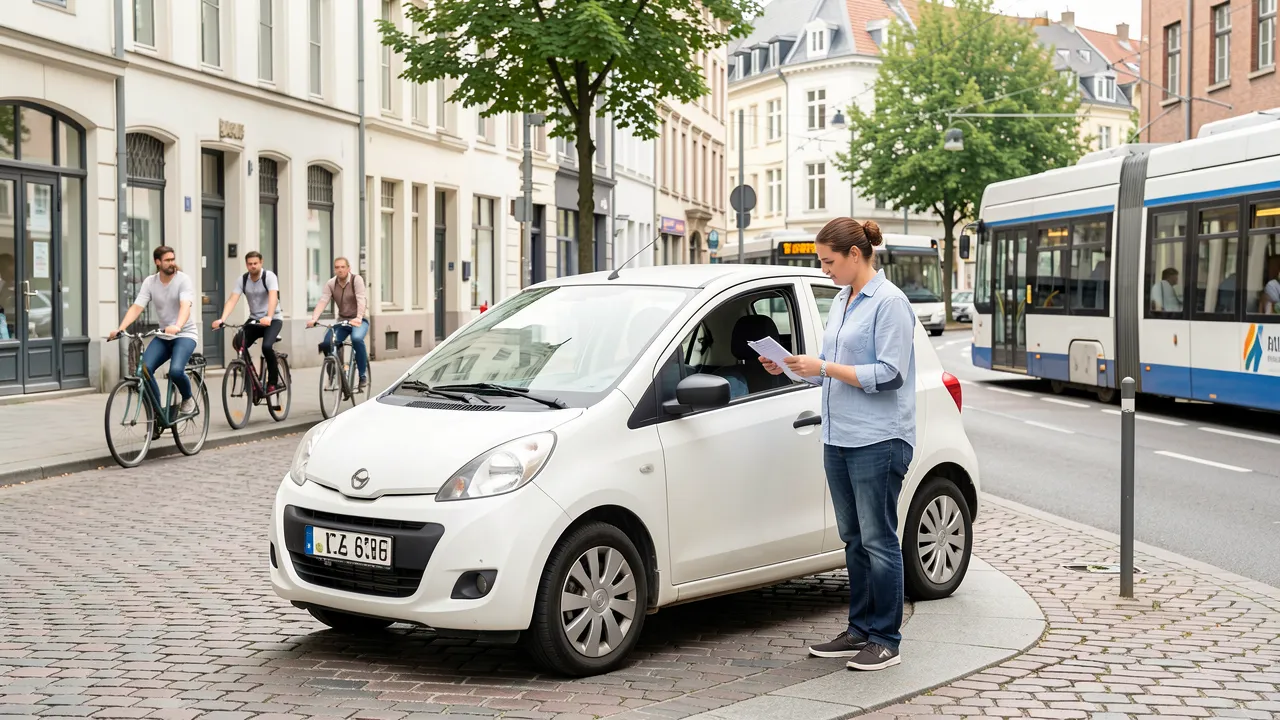








How mobility hubs simplify multimodal daily travel
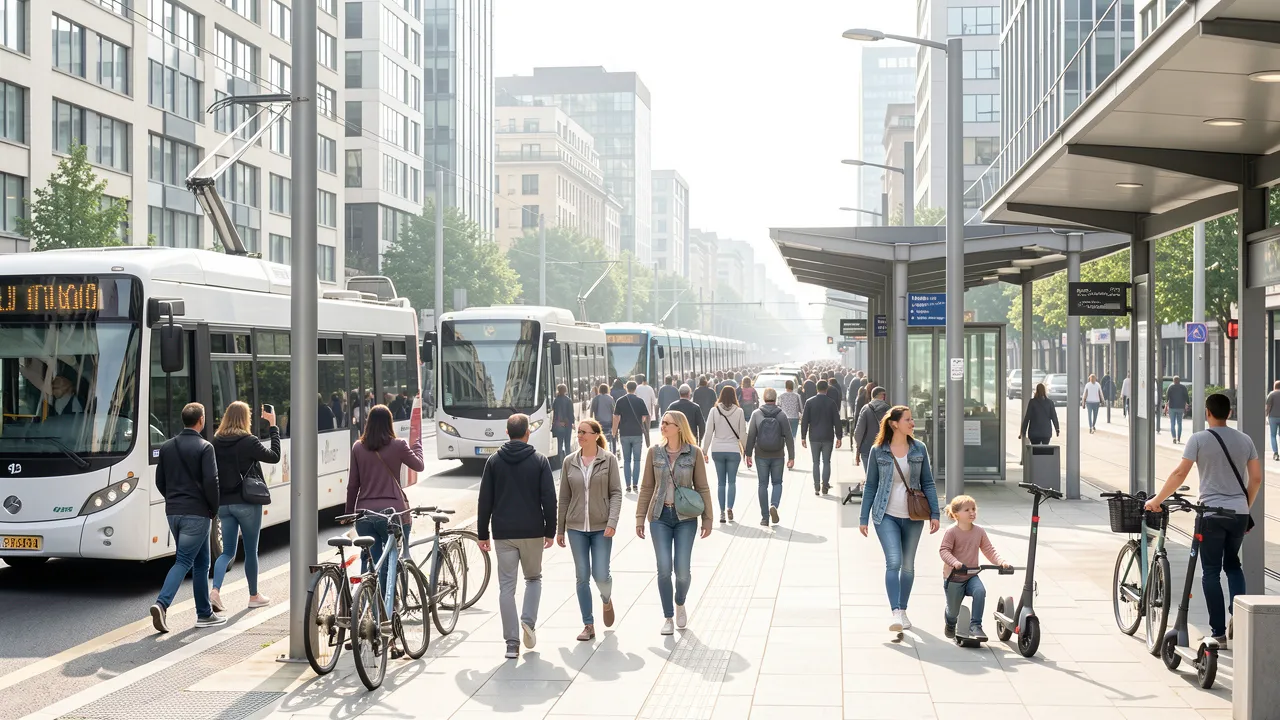
Daily travel often involves more than one mode of transport: walking to a bus stop, catching a train, cycling for the final mile, or using a shared car when public transport does not fit the journey. Mobility hubs bring these options together in one accessible place. By reducing the friction between modes, they help you make trips that are faster, clearer and less dependent on private car use.
Mobility hubs turn transfers into a usable part of the journey
A mobility hub is a location where several transport services meet. It may be built around a railway station, a bus interchange, a town centre car park, a university campus or a residential development. The goal is not simply to place vehicles close together. A well-designed hub makes changing from one mode to another straightforward.
At a typical hub, you may find secure cycle parking, bus stops, train platforms, electric vehicle charging points, car club vehicles, taxi ranks, shared e-scooters and clear pedestrian routes. Digital displays can show live departure times, while ticketing systems may support payment across more than one operator.
This arrangement removes common barriers from multimodal travel. Instead of crossing a busy road to find a poorly marked bus stop or leaving your bicycle in an exposed location, you can complete each stage of the journey in a connected environment. Reliable transfers matter as much as the speed of any individual service.
Mobility hubs can also reduce the space required for parking. When shared cars, cycles and public transport are readily available, households may feel less pressure to own several vehicles. This can free land for housing, trees, public space or safer walking routes.
Better connections can make sustainable travel more practical
Many people are willing to use buses, trains or cycling for regular trips, but only when the whole route feels manageable. A fast train service has limited value if the final connection to work, school or home is inconvenient. Mobility hubs focus on this first-mile and last-mile challenge.
For example, you might cycle from home to a local hub, leave your bicycle in a covered and monitored facility, take a train into the city, then use a shared bike for the final short journey. Another traveller may walk to the same hub, take a bus to a regional station and collect a car club vehicle for an appointment in an area with limited public transport.
The design of the hub influences whether these options feel realistic. Good lighting, step-free access, sheltered waiting areas, seating and intuitive signs support a wider range of users, including older people, families with pushchairs and passengers carrying luggage. Services also need operating hours that match local work, education and leisure patterns.
Road safety around the hub deserves equal attention. Bus movements, delivery vehicles, cyclists and pedestrians must be separated where possible, with low traffic speeds and safe crossing points. The relationship between commercial vehicles and community safety is examined in How freight traffic shapes local road safety, a useful consideration for hubs near busy logistics routes.
Digital tools can remove uncertainty between transport modes
Multimodal travel is easier when you can plan and pay for it without moving between several apps, websites and ticket machines. Mobility hubs increasingly use digital tools to give you a single view of available services.
Journey planners can combine walking, cycling, buses, trains and shared mobility options. Real-time information helps you decide whether to wait for a delayed service, take an alternative route or book a shared vehicle. Some schemes offer integrated accounts, allowing you to unlock a bike, reserve a car club vehicle and buy a public transport ticket through one platform.
Technology should support, rather than replace, clear physical information. Not every passenger has a smartphone, reliable mobile data or confidence with digital services. Printed maps, staffed help points and easy-to-read displays ensure that the hub remains usable for everyone.
Data can also help operators understand demand. If cycle parking fills early every morning or shared cars are regularly unavailable at weekends, services can be adjusted. This makes the hub more responsive to actual travel habits instead of relying on assumptions.
Cleaner local streets are a wider benefit of mobility hubs
When hubs make alternatives to private car journeys more convenient, they can support lower congestion, reduced emissions and quieter streets. The gains are particularly meaningful near schools, shopping areas and transport corridors where vehicle activity affects daily life.
However, cleaner mobility is not limited to tailpipe emissions. Tyres shed particles as vehicles travel, and heavier traffic can increase this source of pollution. How tyre wear drives roadside microplastic pollution explains why reducing unnecessary vehicle mileage has environmental value beyond fuel consumption.
A hub will not eliminate all car trips. Rural areas, shift work, disability access needs and irregular journeys can make cars necessary. The practical aim is to give you credible alternatives when they suit your trip, while making car use more efficient when it remains the best option.
Mobility hubs offer a clearer route to everyday travel choices
The strongest mobility hubs are shaped around local needs rather than a fixed checklist of services. A suburban station may need extensive cycle storage and frequent buses. A village hub may benefit more from demand-responsive transport, parcel lockers and a shared electric car. A city-centre hub may prioritise walking, accessible interchange and high-capacity public transport.
Key benefits include:
- Simpler transfers between walking, cycling, public transport and shared vehicles
- Safer, more comfortable places to wait, park and change mode
- Reduced dependence on owning multiple private cars
- Better use of local land than expanding conventional parking
- More informed travel decisions through live information and integrated payment
- Potential reductions in congestion, noise and road-related pollution
By bringing services together and designing for the full journey, mobility hubs can make everyday travel feel less fragmented. For you, the result is greater choice: the ability to select the mode that fits each journey, rather than relying on one vehicle for every destination.