


How to prepare a youngtimer for its first club road trip
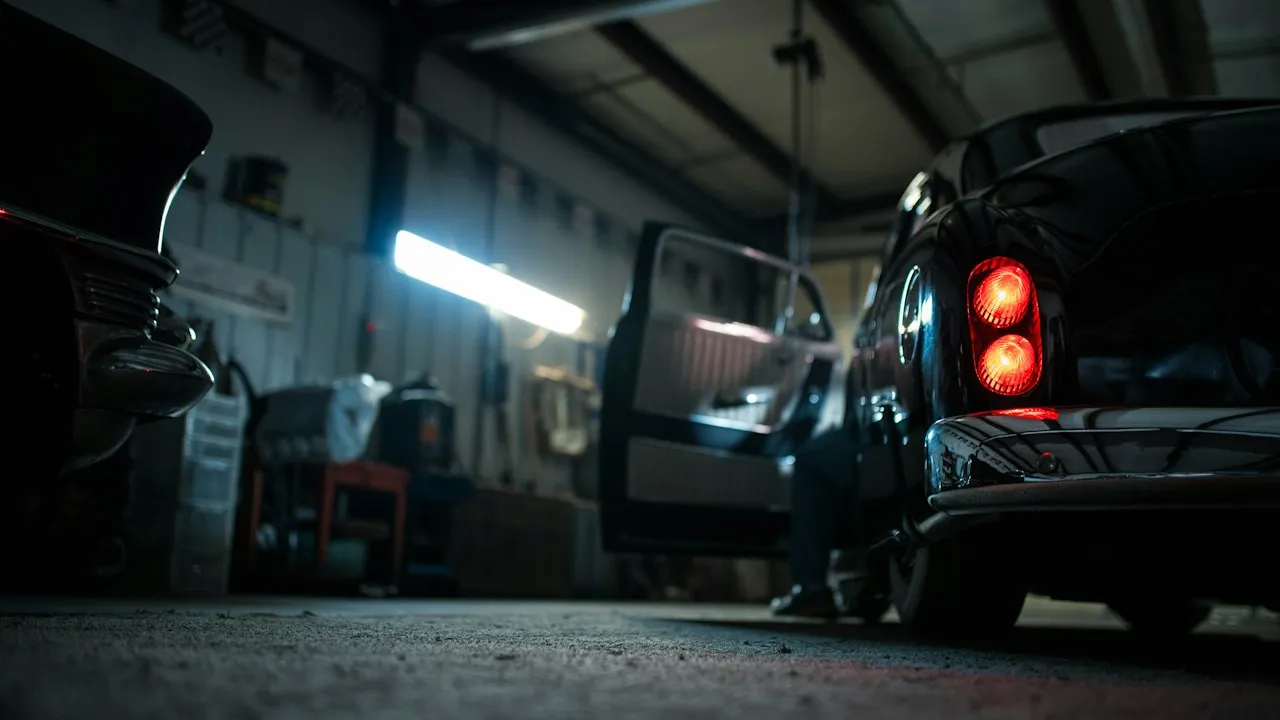
A youngtimer from the 1970s, 1980s or 1990s can make a club road trip far more memorable than a modern car. Its character, sound and analogue driving feel are part of the pleasure. Yet a vehicle that performs well on short local journeys may reveal age-related weaknesses after several hours in traffic, on hills or in a convoy. A calm, methodical inspection before departure helps you enjoy the outing with greater confidence.
Start with a practical mechanical assessment
Before planning the route, assess how the car has behaved over its last few drives. Note difficult starts, uneven idle, warning lights, strange smells, vibration, fluid marks beneath the car or a temperature gauge that climbs higher than usual. Small symptoms deserve attention before they become roadside problems.
For maintenance procedures, torque values and model-specific troubleshooting, a reliable car mechanics guide can be useful. Mechanical guidance for older cars should cover systems such as ignition, carburation or early fuel injection, cooling circuits, braking hydraulics and charging systems. It can also help you identify the correct fluids, belt specifications and service intervals for your particular engine. Original workshop manuals and active owner clubs remain valuable sources alongside general automotive advice.
A youngtimer does not need to be restored to concours standard to be dependable. The aim is roadworthiness and predictable behaviour, not unnecessary replacement of every original component. If a repair is outside your experience, booking a pre-trip inspection with a garage familiar with classic vehicles is a sensible choice.
Check the systems that suffer during sustained driving
Longer journeys create heat, repeated braking and continuous vibration. These conditions can expose deterioration that remains unnoticed on a brief weekend drive.
Give the cooling system close attention
Overheating is one of the most common reasons an older car fails to complete a summer convoy. With the engine cold, inspect the coolant level and look for traces of dried coolant around hoses, the radiator, water pump and thermostat housing. Squeeze rubber hoses gently: severe cracking, softness or swelling suggests replacement is due.
Confirm that the electric cooling fan engages at the correct temperature, where fitted. On an engine-driven fan, check the belt condition and tension. A slipping belt can reduce both cooling and alternator output. If the temperature gauge has been unreliable, resolve that issue before leaving, because you need a trustworthy warning of rising engine temperature.
Inspect fuel delivery and electrical charging
Old fuel hoses can harden internally or crack externally, particularly around clamps and connections. Examine lines from the tank to the pump and carburettor or injection system, and address any fuel smell immediately. Carrying a small amount of fuel is useful, but a leaking system must be repaired rather than managed on the road.
Check battery terminals for corrosion and make sure the battery is firmly secured. Measure charging voltage if you have a multimeter. A weak alternator may cope with daytime motoring but struggle when headlights, wipers, cooling fans and ventilation are all in use.
Treat brakes, tyres and steering as safety priorities
A club drive is more enjoyable when every participant can maintain safe spacing and respond consistently to changing conditions. Brake, tyre and steering checks should never be left until the evening before departure.
Test the brake pedal on a quiet road. It should feel firm, with no excessive travel, pulling, grinding or vibration. Inspect the brake fluid level and, if visible, the condition of flexible brake hoses. Rubber hoses can deteriorate with age even when the mileage is low. If the brake fluid service history is unknown, arrange a proper fluid change and inspection.
Tyres deserve more than a quick pressure check. Look for sidewall cracks, bulges, uneven wear and aged rubber. Tread depth alone does not confirm that an old tyre is safe at motorway speed or in rain. Set pressures when the tyres are cold, including the spare if your car has one. Verify that the spare-wheel tools and locking wheel-nut key are present.
During a short test drive, pay attention to steering response. Excessive play, clunks over bumps, wandering or strong vibration can point to worn joints, bushes, wheel bearings or incorrect wheel balance. Safe handling begins before the convoy moves.
Pack an emergency kit suited to your car
A youngtimer emergency kit should match the car’s known needs and the likely route. Pack items in a secure box or bag, not loose in the cabin.
-
Basic fluids and consumables: Carry the correct engine oil, premixed coolant if appropriate, screenwash, a funnel, gloves, rags and absorbent material for minor spills. A litre of oil can prevent a low-level warning from becoming engine damage, but it is not a substitute for investigating rapid consumption.
-
Simple tools and spares: Include a socket set, screwdrivers, pliers, adjustable wrench, tyre-pressure gauge, torch and electrical tape. Useful model-dependent spares include fuses, bulbs, a fan belt, hose clips, relays and a length of suitable fuel hose. For cars with contact-breaker ignition, points and a condenser may be worth carrying.
-
Visibility and roadside equipment: Take a warning triangle, high-visibility vest, first-aid kit and a charged phone with a power bank. Check local legal requirements if the route crosses borders. A compact fire extinguisher, mounted securely and appropriate for vehicle use, is a worthwhile addition.
-
Documents and communication details: Bring insurance papers, breakdown-assistance information, club organiser contacts and any entry confirmation for the meet. Share your planned route with a passenger or fellow participant, especially if the car is known to have limited range or cooling sensitivity.
Know when postponing is the better decision
A road trip should be postponed if you find a brake-fluid leak, fuel leak, overheating, serious tyre damage, unstable steering or an intermittent charging fault. These are not inconveniences to monitor from the driver’s seat. They can affect your safety and the progress of the whole group.
For less serious concerns, such as a noisy bearing or an occasional rough idle, speak with an experienced mechanic or club member before deciding. Club drives bring together enthusiasts of classics, rare cars and newer forms of mobility, creating opportunities to exchange practical knowledge as well as enjoy scenic roads.
Prepare well and enjoy the shared drive
A thoughtful pre-trip routine gives your youngtimer its best chance of completing the journey comfortably. Check fluids, cooling, belts, battery condition, fuel delivery, brakes, tyres, lights and steering well ahead of departure. Bring sensible tools and spares, allow extra time, and listen to what the car has been telling you. With preventive maintenance completed, you can focus on the route, the conversations at each stop and the pleasure of using a classic car as it was intended.