

How car sharing reduces household transport costs

Car sharing can lower household transport costs by replacing some of the expenses attached to private car ownership with pay-as-you-go access. For households that drive only occasionally, own a second vehicle, or need different vehicle types for different trips, the financial difference can be substantial. Rather than paying for a car every day of the year, you pay when a journey genuinely requires one.
Private car ownership creates costs even when the car is parked
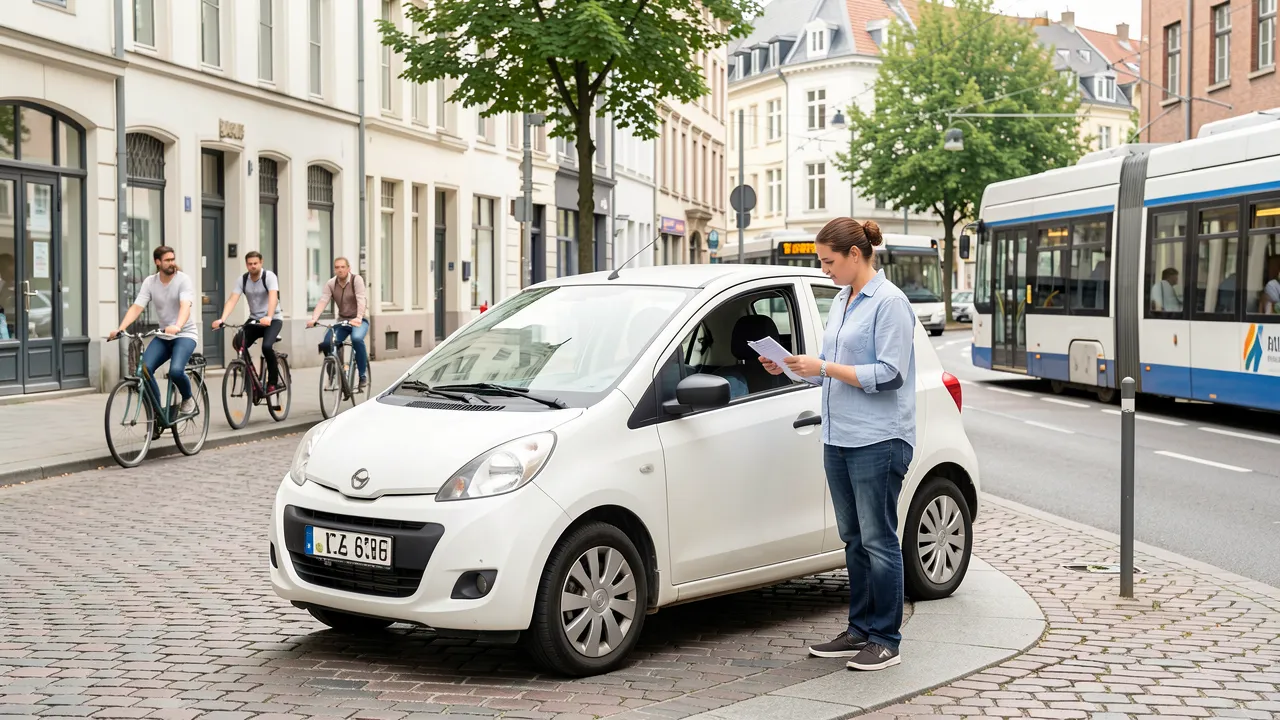
A privately owned vehicle brings visible costs, such as fuel and servicing, alongside expenses that are easy to underestimate. Insurance, vehicle excise duty, MOT tests, depreciation, parking permits, finance payments and unexpected repairs continue whether you drive 50 miles or 5,000 miles in a year.
Depreciation is particularly significant. A newer vehicle may lose value steadily even while sitting outside your home. For households with two cars, this can mean paying twice for assets that are often unused for most of the week.
Car sharing changes the structure of those expenses. Members typically pay a joining fee, hourly or daily hire charges, and a mileage fee where applicable. Fuel, insurance, maintenance and cleaning are usually included in the stated rate. This turns a large portion of fixed spending into variable transport costs.
That model is often most attractive when a household can sell an underused car or avoid buying a second one. Keeping one car for frequent family, work or accessibility needs while using a shared vehicle for occasional trips can be more economical than maintaining two privately owned vehicles.
Car sharing works best when you match the service to your travel patterns
The potential saving depends on how often, how far and why you drive. Before joining a scheme, review your household’s travel over the previous three months. Include commuting, food shopping, school runs, social visits, holidays and one-off journeys such as furniture collection.
If your car is used daily for a long commute, owning or leasing may still be more practical. Yet many households find that their second car is mainly used for short errands or occasional overlapping commitments. These are common situations where a nearby car club can fill the gap.
Different vehicle types can prevent unnecessary spending
Owning one vehicle means making compromises. A small hatchback may suit everyday urban driving but be unsuitable for a family holiday. A large estate car may be useful for a few weekends each year but expensive to run every day.
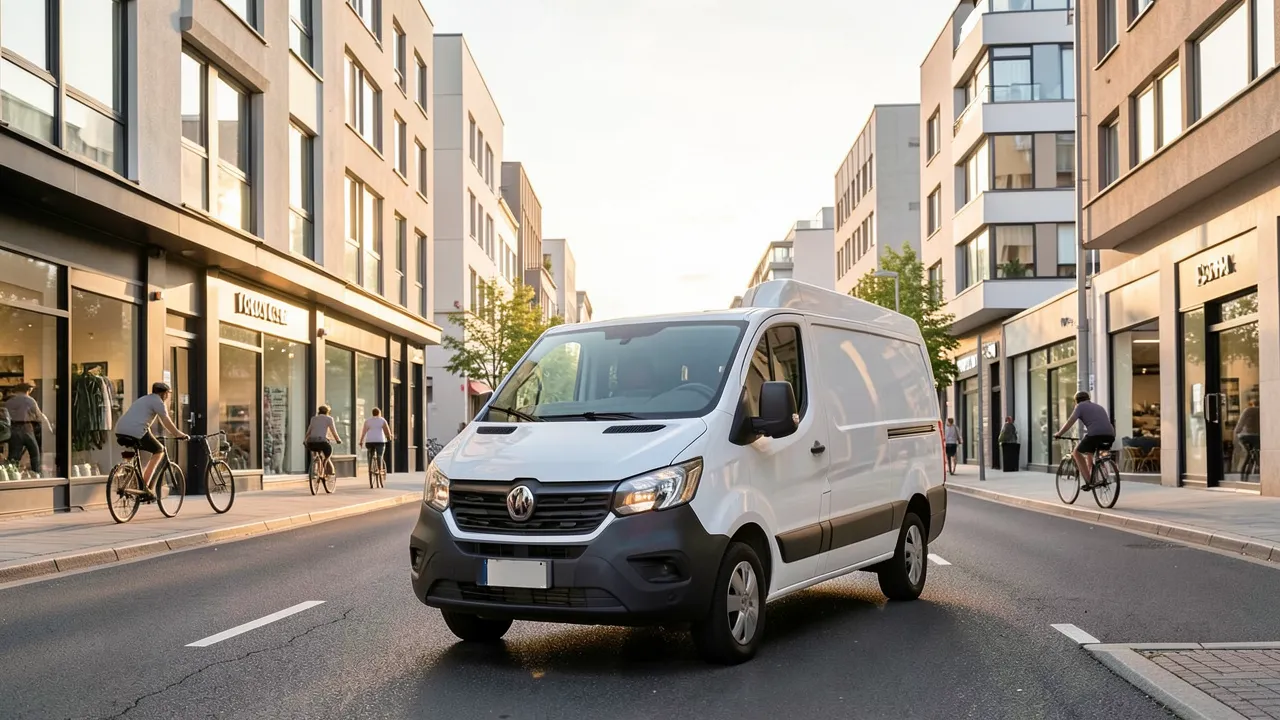
Car sharing gives you access to a vehicle that fits the task. You might reserve a compact electric car for local appointments, a larger car for visitors, or a van for moving house. This flexibility can reduce the temptation to buy a larger, more expensive vehicle “just in case”.
For information on how car clubs operate and what services are available, CoMoUK’s car club guidance provides a useful overview of shared mobility options in the UK.
A realistic budget should include more than the booking price
Comparing a car-share booking with a tank of fuel is not enough. To judge whether membership saves money, compare the full annual cost of private ownership with your expected shared-car use.
Start with the costs you currently pay each year:
- Insurance and breakdown cover
- Finance repayments or lease charges
- Depreciation or lost resale value
- Servicing, repairs, tyres and MOT costs
- Fuel or electricity
- Parking, permits and congestion-related charges
- Vehicle tax and cleaning
Then estimate your likely car-share spending based on actual journeys. Add membership fees, booking time, mileage charges, excess reduction cover and any fees for late returns. Transparent comparison is more useful than relying on a headline hourly rate.
A household that makes two larger car journeys each month may find car sharing significantly cheaper than maintaining another vehicle. Conversely, a household driving every day may discover that the booking charges add up quickly. The aim is not to eliminate car use, but to pay for it in a way that fits your real needs.
Mobility hubs can make shared cars easier to use
Car sharing becomes more convenient when vehicles are located close to homes, rail stations, shops and bus routes. A short walk to a reserved car can be far less costly than owning a vehicle that requires a dedicated parking space and ongoing maintenance.
Many towns are developing mobility hubs that bring together shared cars, cycle parking, public transport and other services in one place. These hubs can reduce the number of situations where a household feels it needs a second private vehicle. Learn more about How mobility hubs simplify multimodal daily travel.
Combining transport modes can also reduce overall travel spending. You may use rail for a city-centre trip, walk for local errands, and reserve a car only when carrying heavy items or travelling where public transport is limited. This creates more choice without the full cost of ownership.
You can avoid fees by planning bookings carefully
Car-sharing bills remain predictable when bookings are managed thoughtfully. Reserve vehicles early for weekends and holiday periods, when availability may be limited. Choose the right vehicle size, allow enough time for traffic and refuelling requirements, and inspect the car before leaving.
Check the provider’s rules on mileage, charging, fuel cards, cleaning and damage reporting. Returning a vehicle late can affect the next member’s booking and may trigger additional charges. Some schemes charge for taking a car outside a defined area, while others offer flexible one-way rentals.
You should also examine insurance excess terms. A lower booking price may come with a high excess in the event of damage. Optional excess protection can add to regular costs, so weigh it against your level of driving and risk tolerance.
Car sharing can support a leaner household transport budget
The strongest financial benefit usually comes from replacing an underused vehicle, rather than adding car sharing on top of several existing cars. A careful trial period can help you test whether your household can rely on a shared vehicle for selected journeys.
Key points to consider include:
- Fixed ownership costs can outweigh the expense of occasional bookings.
- Selling or avoiding a second car often creates the largest saving.
- Shared fleets provide access to cars and vans suited to specific trips.
- Booking habits, mileage rules and insurance terms affect the final cost.
- Car sharing is most effective alongside walking, cycling and public transport.
For many households, car sharing offers a practical way to retain access to a vehicle while reducing the financial burden of keeping one permanently. When your transport choices reflect how you actually travel, rather than how often a car is available outside the door, household mobility spending can become more flexible and easier to control.