

How to choose car tyres for city driving in 2026
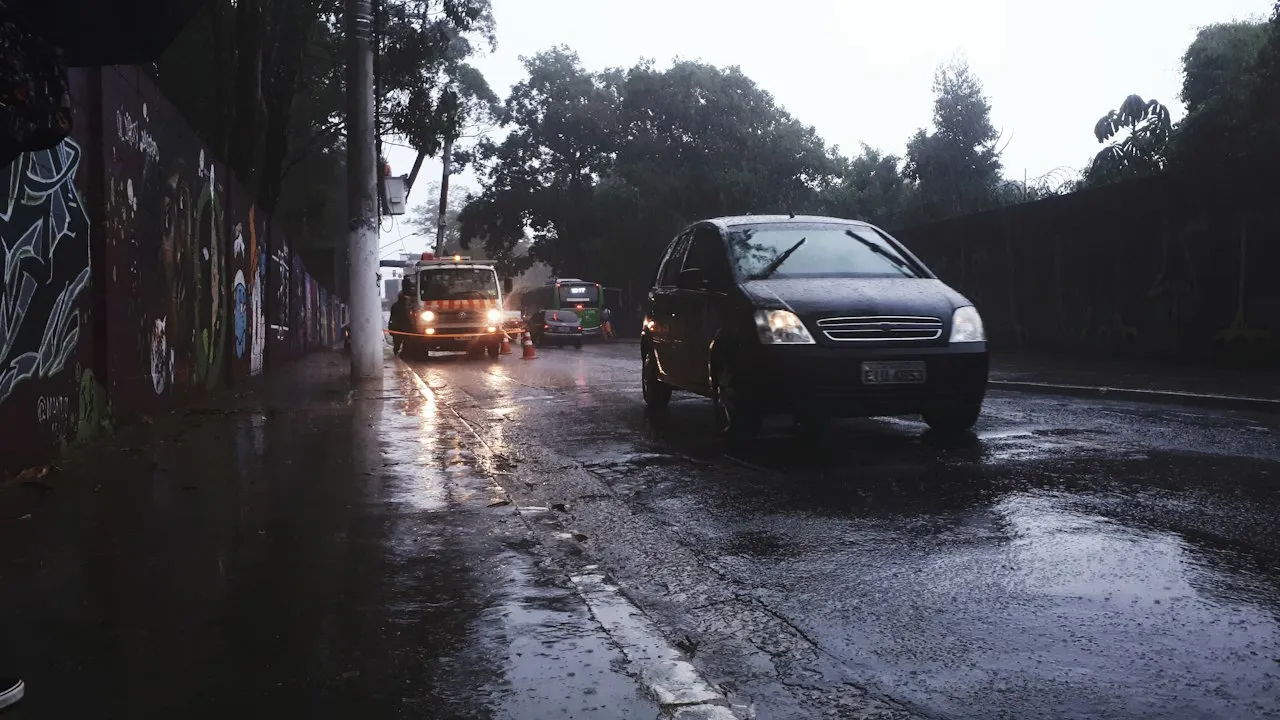
City driving puts tyres through a distinctive mix of short trips, frequent braking, kerb contact and wet-road hazards. The best tyres for city driving balance wet grip, predictable wear and low energy use rather than chasing a single performance claim. By matching the tyre to your vehicle, route and driving habits, you can improve safety while reducing fuel or electricity consumption and avoiding premature replacements.
The EU tyre label helps you make better urban choices
The EU tyre label offers a quick comparison between models sold in 2026. It grades fuel efficiency, wet grip and external rolling noise, while a QR code can lead to the official product database. Treat it as a starting point, not a complete verdict: handling, winter performance, durability and comfort can vary between tyres with similar labels.
| Label category | What it measures | Why it matters in city driving |
|---|---|---|
| Fuel efficiency | Rolling resistance, graded from A to E | Lower resistance can slightly reduce petrol, diesel or electricity use |
| Wet grip | Braking performance on wet roads, graded from A to E | Supports shorter stopping distances on rain-soaked streets and at junctions |
| External rolling noise | Noise emitted outside the vehicle, shown in decibels and A to C class | Helps limit roadside noise in dense neighbourhoods |
| QR code | Access to official tyre information | Lets you verify the precise product reference before purchase |
A tyre with low rolling resistance is often marketed as a fuel-efficient tyre. This can be worthwhile for urban commuters, especially electric vehicle owners who want to preserve range. However, low rolling resistance must not replace strong wet grip. A small efficiency gain is poor value if the tyre offers weaker braking confidence on painted crossings, drain covers or rain-polished roads.
Reliable ownership advice also helps you interpret tyre specifications beyond a label. Resources such as www.insulaar.eu can support everyday automotive maintenance decisions, including tyre sizing, pressure checks and replacement planning. Look for guidance that refers to the vehicle handbook, approved load and speed ratings, and the conditions in which the car is used. A reputable source should distinguish between legal minimums and safer maintenance recommendations.
Wet grip deserves priority on short urban journeys
City traffic leaves little room for recovery when a pedestrian steps out or a vehicle brakes suddenly. Wet grip ratings compare braking on a standard wet surface, making them particularly useful for drivers who regularly face rainfall, puddles and stop-start traffic.
For many urban cars, selecting a wet-grip A or B tyre, where available in the approved size, is a sensible baseline. This does not guarantee maximum grip in every condition, since temperature, tyre pressure and tread depth also affect braking. It does provide a clear comparison point when two similarly priced tyres are under consideration.
City driving changes how tyres wear
Urban driving tyre wear is rarely even or simple. Repeated acceleration and braking can wear the driven axle faster, while tight turns, roundabouts and parking manoeuvres stress the outer shoulder of the tread. Potholes and kerbs can also damage sidewalls or disturb wheel alignment.
Tyre size matters because the manufacturer’s approved dimensions are designed around the vehicle’s load, suspension, braking and stability systems. Before buying replacements, check the tyre placard, usually located around the driver’s door frame or fuel filler flap, and the owner’s manual. Confirm the width, aspect ratio, rim diameter, load index and speed rating. A visually similar tyre may not be an approved substitute.
Pressure has a direct effect on wear and energy use
Underinflation increases rolling resistance, raises tyre temperature and can wear the shoulders more quickly. It also makes steering feel less precise. Overinflation may reduce the contact patch and promote wear through the centre of the tread, while making the ride harsher on broken streets.
Check pressures when the tyres are cold, ideally at least monthly and before longer trips. Use the manufacturer’s recommended values, including any separate setting for a fully loaded vehicle. A reliable gauge is more useful than judging a tyre by appearance alone.
Driving style also changes replacement intervals. Gentle acceleration, earlier braking and avoiding kerb strikes protect the tread and reduce unnecessary energy use. If the steering pulls to one side, the wheel vibrates or one tyre wears much faster than the others, arrange an inspection for alignment, balancing or suspension issues.
Replacement choices should reflect your main urban priority
Replace tyres immediately if there is a bulge, exposed cord, deep cut, significant cracking or repeated pressure loss. For tread depth, 1.6 mm is the legal minimum in many European countries, but wet-weather performance declines well before that point. Many drivers choose to assess replacement around 3 mm, particularly before a wet season.
Tyre age matters alongside tread depth. Find the DOT date code on the sidewall, where the final four digits indicate the production week and year. For example, “1824” means week 18 of 2024. Rubber can harden and crack over time, even on low-mileage cars. Follow the vehicle and tyre manufacturer’s age guidance, and ask a professional to inspect older tyres.
Your best choice depends on how the car is used:
- Prioritise wet grip if you drive in frequent rain, carry children or face busy pedestrian routes.
- Prioritise durability if your car covers high annual mileage on abrasive urban roads.
- Prioritise efficiency when range or fuel spending is a major concern, while retaining a strong wet-grip rating.
- Prioritise low external noise for regular travel through residential streets, while remembering that cabin noise also depends on the vehicle and road surface.
- Replace tyres in axle pairs where possible, and ensure the new pair matches the approved dimensions and ratings.
Choose urban tyres that support safer, lower-impact driving
Tyres are a practical part of lower-impact mobility because they affect energy demand, noise, replacement frequency and braking performance. Compare the EU label carefully, but also verify manufacturer-approved sizing, real-world durability and the weather conditions you encounter most often.
A well-maintained tyre with correct pressure and adequate tread can deliver more value than a premium model that is neglected. For city driving in 2026, the strongest all-round decision is usually a tyre that combines dependable wet braking, reasonable rolling resistance and a wear profile suited to your actual journeys.